
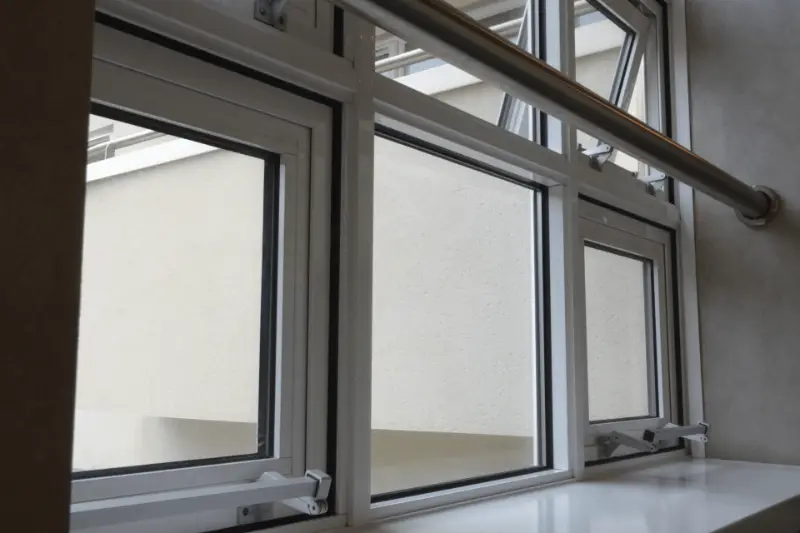
What Is a Double-Hung Window?
A double-hung window has two sashes that both slide up and down. Learn how they work, their pros and cons, and why they suit Connecticut homes.
Call (860) 969-4006A double-hung window has two sashes that both slide up and down inside one frame. It is the most common window style on Connecticut homes, from Colonials in West Hartford to Capes in Rocky Hill. I install more double-hung windows than any other style, and the reasons are simple.
How a Double-Hung Window Works
Each sash rides in its own track. Springs or a balance system hold the sash in place at any height. Most modern units add a tilt latch so each sash folds inward for cleaning.
- Lower the top sash to vent warm air out near the ceiling.
- Raise the bottom sash to pull cool air in.
- Open both a few inches to create natural airflow through the room.
Double-Hung vs Single-Hung Windows
A single-hung window looks almost the same, but only the bottom sash moves. The top sash stays fixed. Single-hung units cost a little less. Double-hung units win on ventilation and on cleaning, because you clean both sides of the glass from inside your home. That matters on second floors.
Benefits of Double-Hung Windows
- Easy cleaning from indoors with tilt-in sashes.
- Flexible ventilation from the top, bottom or both.
- Classic look that fits traditional New England architecture.
- Works with window air conditioners and standard screens.
- Wide choice of grille patterns, colors and finishes.
Drawbacks to Know
- More moving parts than a fixed or casement window, so balances wear over time.
- The meeting rail between the sashes needs a tight seal to stop drafts.
- Hard to open when you reach over a kitchen sink or counter, where a casement works better.
Are Double-Hung Windows Energy Efficient?
The U.S. Department of Energy reports that heat gain and heat loss through windows account for 25% to 30% of residential heating and cooling energy use. A good double-hung window cuts that loss. Look for these features:
- ENERGY STAR certification for the Northern climate zone.
- Double or triple pane insulated glass with argon gas fill.
- Low-E glass coatings that reflect heat back into the room in winter.
- Interlocking meeting rails and full-perimeter weatherstripping.
Installation matters as much as the window. A great unit installed without proper insulation and flashing will still leak air and water.
Signs You Need Replacement Windows
- Sashes that will not stay open or stick in the track.
- Fog or condensation between the panes.
- Drafts you feel near the window on a cold day.
- Soft or rotting wood around the frame or sill.
- Rising heating bills with no other explanation.
See our Connecticut window replacement services to compare styles and options.
Explore every part of a double-hung window, and compare it with casement, slider and awning styles, in our interactive window style guide.
Frequently Asked Questions
What is the difference between single-hung and double-hung windows?
In a single-hung window only the bottom sash moves. In a double-hung window both the top and bottom sashes slide, and most models tilt inward for cleaning.
Are double-hung windows energy efficient?
Yes, when you choose ENERGY STAR certified units with insulated glass, low-E coatings and quality weatherstripping, and have them installed with proper air sealing.
How long do double-hung windows last?
Quality vinyl double-hung windows often last 20 to 40 years with basic care, depending on the brand, installation and exposure.
Sources
Last reviewed October 2026 by Adam H. Cooke, Premier Improvements.
More Homeowner Guides
Call Now and Get Your Estimate.
Roofing, siding, windows, solar and batteries from one Connecticut team. Schedule your free consultation today.